
Iran News: Shocking Israel-Iran Conflict Truth
In the modern world, Iran News has climbed to the top of global headlines because of the intensifying conflict between Iran, Israel, and the United States. This conflict is not just about battles and missiles; it is about regional power shifts, global energy routes, diplomatic breakdowns, and the security of millions of people.
What Is Happening in the Israel‑Iran Conflict?
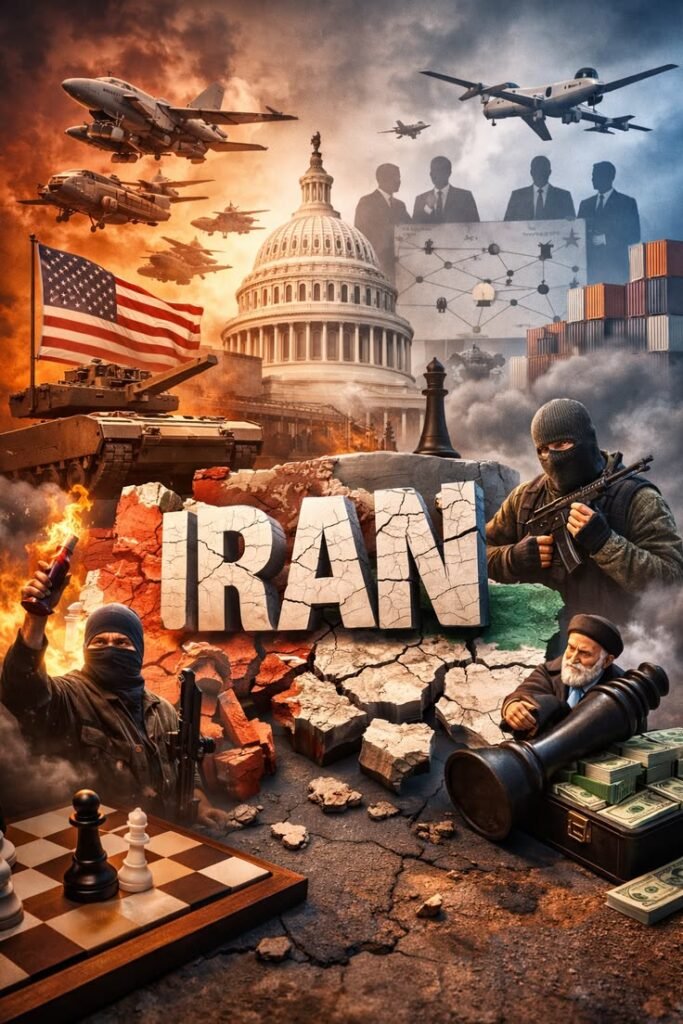
The Israel‑Iran conflict is a long‑running geopolitical confrontation that escalated into open and intense fighting in early 2026. It involves military actions between Iran, the United States, and Israel, marking a historic phase in Middle East tensions. The conflict has triggered widespread military strikes, retaliations, diplomatic efforts, and global concern over regional escalation.
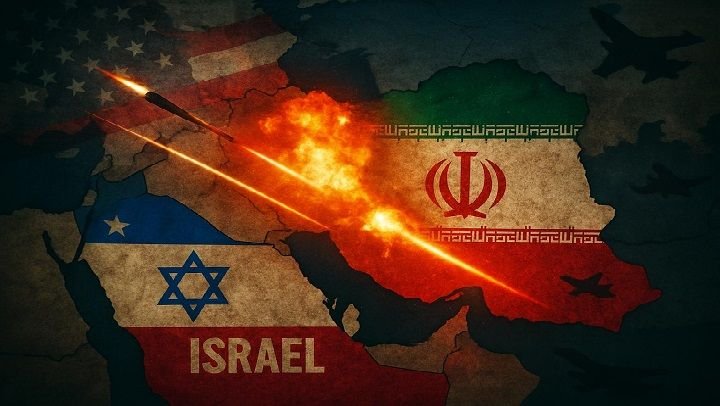
In February 2026, the United States and Israel launched significant airstrikes against Iranian targets. These strikes were reportedly intended to weaken Iran’s military and strategic capacity and were linked in part to concerns about nuclear development and regional influence. Iran responded with missile and drone strikes aimed at Israeli territory and locations where US forces are stationed.
This cycle of attacks and counter‑attacks has transformed long‑standing rivalry into active warfare, making Iran News one of the most searched and discussed topics around the world.
Iran News: Historical Background of the Israel‑Iran Conflict
Before the major 2026 escalation, Iran News already included ongoing tensions that stretched back decades. These tensions were rooted in both ideological rivalry and geopolitical competition.
Early Tensions and Rivalry
The modern conflict can be traced back to the Iranian Revolution in 1979, when Iran shifted from being aligned with the West to pursuing an independent and religiously guided foreign policy. This change led to deep distrust between Iran and nations like the United States and Israel. Iran’s leaders have consistently rejected Israel’s legitimacy and have supported groups opposed to its government, while Israel has viewed Iran’s military development and regional ambitions as existential threats.
Proxy Wars and Indirect Engagements
For many years, Iran and Israel clashed indirectly through proxy forces in other parts of the Middle East. These included Iranian support for armed groups in Lebanon, Syria, Gaza, and Iraq. Such proxy fighting helped each side limit direct confrontation while still pushing forward national agendas. However, this pattern could not contain tensions forever, and eventually, direct conflict erupted.
Iran News: How the 2026 Conflict Escalated
The 2026 conflict began with intensified military strikes and political breakdowns. Diplomatic relations had already been strained by failed talks over Iran’s nuclear program and geopolitical influence. When negotiations collapsed in early 2026, the United States and Israel initiated a coordinated military offensive against Iranian targets.
Major Military Actions
- Airstrikes Against Iran: On February 28, 2026, Israeli and American aircraft struck multiple sites inside Iran, marking one of the most extensive coordinated military operations in the region in decades. These strikes aimed at military infrastructure and strategic command centers.
- Iranian Retaliation: Iran launched missiles and drones toward Israel and US bases in the Middle East in response. Missile defenses engaged incoming threats, while sirens sounded across Israeli cities as alerts were issued.
- Closure of the Strait of Hormuz: Iran’s military moved to close the Strait of Hormuz — a vital shipping route for global oil and gas — affecting global energy markets and heightening international tensions.
This escalation quickly expanded beyond borders, affecting global economies and stirring fear of broader involvement by neighboring states.
Recent Iran News: Ceasefires, Diplomacy, and Regional Reactions
Despite the intense warfare, there have been some diplomatic moves, but they remain fragile and complex.
Provisional Ceasefire and Diplomatic Efforts
Recently, the United States and Iran News reportedly agreed to a provisional two‑week ceasefire after diplomatic mediation, particularly involving Pakistan. This arrangement came just before a major deadline for further strikes and was linked to Iran agreeing to reopen the Strait of Hormuz to ensure commercial shipping.
However, tensions remain high because both sides continue to negotiate terms, and Iran’s demand for a permanent end to the war contrasts with short‑term truce proposals. Iran’s official 10‑point peace plan reportedly asks for a complete end to conflicts in the region and the lifting of international sanctions, which the United States has yet to fully accept.
Regional Responses and Blame
Several countries have weighed in on the crisis. For example, Pakistan accused Israel of undermining ceasefire talks, suggesting attacks were timed to weaken negotiations. At the same time, many nations in the Gulf and beyond have expressed concern about both the violence and the possible expansion of the conflict.
Human and Environmental Impact of the Conflict
The Israel‑Iran conflict has not only political and military consequences, but also serious human, economic, and ecological effects.
Civilian Hardship and Casualties
Reports indicate that thousands of people have been killed or wounded due to the ongoing warfare. These include civilian casualties, especially from Iranian missile strikes targeting cities or residential areas, and from military operations directed at Iranian infrastructure.
The displacement of people, loss of services, and psychological trauma on both sides are significant. Communities in border areas and those situated near strategic sites experience daily fear and insecurity.
Ecological Damage
Recent reports also highlight environmental issues connected with the conflict. For example, an Iranian ship that had been bombed is leaking oil into sensitive wetland regions near the Strait of Hormuz, threatening protected ecosystems and livelihoods that depend on fisheries and the natural environment.
Strategic Interests Behind the Conflict
Understanding why the conflict continues requires looking beyond individual battles to broader strategic goals.
Iran’s Strategic Position
Iran sees itself as a major power in the region, with interests spanning from military deterrence to political influence. Its support for allied groups in Lebanon, Iraq, and Yemen is part of a strategy to extend regional influence and challenge rival nations. Iran’s leaders have repeatedly stated that their goal is to defend national sovereignty and resist foreign pressure.
Israel and US Strategic Goals
From Israel’s viewpoint, Iran’s military strength — especially its missile program and influence through proxy groups — is a threat to national security. The United States has also emphasized reducing Iran’s capacity to wage war or disrupt international stability. These strategic goals drive military planning and diplomatic negotiations alike.
Global Economic and Security Implications
The conflict has far‑reaching implications that go beyond the Middle East.
Energy Markets and Trade
The Strait of Hormuz is a critical route for global energy transport, carrying a large portion of the world’s oil and gas supplies. Shutting or restricting this passage due to military conflict affects global prices and energy security. Recent negotiations over reopening the strait have been central in diplomatic efforts precisely because of these worldwide economic stakes.
Security Concerns Worldwide
The threat of expanded conflict involving additional nations — whether directly or through allied forces — raises concerns that extend beyond regional borders. Nations across Asia, Europe, and Africa watch developments closely, as changes in the Middle East can influence global alliances, trade routes, and defense strategies.
What Could Happen Next?
As Iran News Today continues to evolve, analysts suggest several possible scenarios:
- Sustained Diplomatic Talks: If negotiations continue and both sides agree to lasting terms, further violence might be limited, and pathways to peace could open.
- Renewed Military Escalation: Should diplomacy fail, conflict could intensify again, with new offensives or retaliation from either side.
- Regional Expansion: Neighboring countries could become more directly involved, or proxy groups aligned with either side may take action, widening the war’s scope.
In every case, the global community plays a role — through diplomacy, economic pressure, or humanitarian aid — shaping how future developments unfold.
Conclusion
The Israel‑Iran conflict, as seen in the latest Iran News, reveals a shocking and complex reality that affects more than the nations directly involved. From deep historical roots and ideological confrontation to military escalation, temporary ceasefires, environmental damage, and global economic disruption, this conflict stands at the center of world attention.
About The Author
