
Panam Nogor: Ultimate Heritage Site You Can’t Miss
We’re thrilled to guide you today through a complete, vivid exploration of Panam Nogor—a living relic tucked within the heart of Sonargaon, near Narayanganj. This comprehensive post is crafted as a travel guide and a story rolled into one. We’ll uncover historical depths, practical advice, destination highlights, insider tips, myths, FAQs, and more. Let’s dive into the marvel of Panam Nogor Sonargaon—from its role as the Banglar Tajmahal to the serene picnic resorts that dot its riverside.
Chapter 1: What is Panam Nogor and Why Visit?
A Glimpse into History
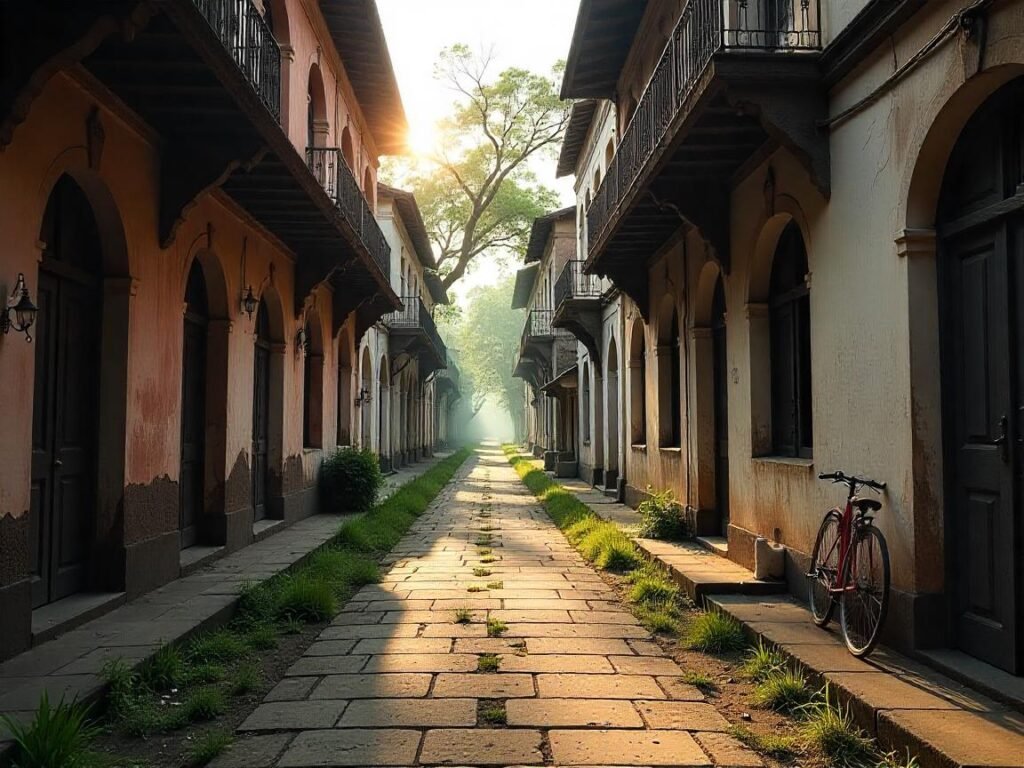
Panam Nogor, often called the crown jewel of Sonargaon, was once the seat of Bengal’s ancient rulers. Nestled in present-day Narayanganj, this area contains ruins, colonial homes, and winding lanes. Thus, it offers a rare blend of Mughal, Sultanate, and British architecture. Consequently, visitors step into a time capsule bursting with stories.
Moreover, Sonargaon once served as Bengal’s capital. Hence, the structures you see were once political nerve centers. With the fall of Mughal power and the rise of British rule, many grand estates fell into neglect. Fortunately, preservation efforts over the past century—supported by Real Time Trip News and heritage groups—covered this heritage site.
Region Overview
- Location: Sonargaon, Narayanganj District, Bangladesh
- Theme: Heritage walk, riverfront beauty, cultural immersion
- Nearby sites: Sonargaon Folk Arts Museum, Shitalakshya River, local markets
As you step into the fading grandeur of Panam Nogor Sonargaon, you’ll feel vibrant whispers of the past mingled with the calm hum of village life today.
Chapter 2: Getting There & Travel Logistics
From Dhaka: Your Travel Options
- By Road
- A direct drive takes about 45–60 minutes.
- Buses and ride-shares are plentiful and affordable (~Tk 150–300).
- Best to avoid rush hour—Narayanganj traffic can stall plans.
- By River Boat
- Seasonal service runs from Dhaka’s Sadarghat to Sonargaon launch ghat.
- You’ll float past rustic riversides and island villages.
- Check for updates—services may pause during monsoons.
- By Train
- A charming ride via Narayanganj station adds nostalgic value.
- Slower—but picturesque and budget-friendly.
Entry Fees & Hours
- Local visitors: ~Tk 20–50
- Foreign tourists: ~USD 1.5–3
- Opening hours: 9 AM to 5 PM (may vary seasonally)
- Peak times: Weekends and holidays—especially December through February
Visitor Essentials
- Light, breathable clothing and a hat
- Comfortable, flat shoes (uneven terrain ahead)
- Sunblock, sunglasses, water bottle
- Modest outfits for mosque visits
- Small cash stash for guides, snacks, souvenirs
Chapter 3: Destination Highlights
Get ready for a multi-hour journey through history, scenic beauty, and hidden gems.
1. Panam Gate
The grand entrance is an architectural marvel. Its towering arch and ornate carvings invite you in. Don’t miss the perspective view from ground level.
2. Ruined Mansions & Courtyards
Explore Moroccan-patterned walls, crumbling terraces, and hidden chambers. They once echoed with merchants, scholars, and travelers.
3. Mosques & Spiritual Sites
Walk inside ancient prayer halls that still feel sacred. Remember to remove your shoes and cover your respectful areas.
4. Caravanserais & Trade Posts
Imagine bazaars, travelers at rest, merchants haggling. These trading quarters held it all.
5. Public Baths & Fountains
Many features remain intact. Try to envision medieval décor and the gentle flow of water.
6. Riverside Picnic Resorts
Nearby picnic resort Panam Nogor Narayanganj options include riverside gardens and eco-parks. Perfect for lunches and sunset views over the Shitalakshya.
7. Boat Ride Along Shitalakshya
Float beside fishermen and village boats. Experience rural life along calm waters.
8. Sonargaon Folk Arts Museum
A few kilometers away, this museum highlights weaving, pottery, musical instruments, and rural crafts. A must for cultural wealth.
9. Scenic Photography Spots
Archways, courtyards, and riverbanks provide perfect Instagram moments.
Chapter 4: Itinerary Examples
One-Day Heritage Loop
8 AM – Depart Dhaka
9 AM – Arrive at Panam Gate
9:10 AM – Guided walk through ruins
11 AM – Break at a local tea stall
11:30 AM – Courtyards & mosque tour
1 PM – Riverside picnic lunch
2 PM – Boat cruise on Shitalakshya
3 PM – Visit the Folk Arts Museum
4 PM – Sunlight photography around ruins
4:30 PM – Tea break; local snacks
5 PM – Return to Dhaka
Weekend Retreat with Picnic Stay
- Stay overnight at one of the picnic resort Panam Nogor Narayanganj properties.
- Enjoy bonfire eve at the resort
- Start the next day early with an uncrowded sunrise tour
Chapter 5: Tips & Strategies for a Smooth Visit
- Begin your trip midweek to skip crowds
- Align with guided tours—knowledge enhances ruins
- For photography, the late afternoon offers golden light
- Bring a portable phone charger—it’s easy to lose track at the ruins
- Visit mosque sites respectfully and follow signage
- Always keep water—shade is scarce in the midday sun
Chapter 6: The Bigger Picture—Sonargaon o Panam Nogorer Somporko Ki?
Yes, they’re connected in history and geography:
- Sonargaon refers to the larger township with vibrant culture, arts, and heritage.
- Panam Nogor is a historic city within Sonargaon, featuring architectural ruins and colonial mansions.
- Historically, Sonargaon is the administrative, commercial, and cultural center.
- Thus, Panam Nogor Sonargaon was the capital heart, while Sonargaon is the broader fabric.
This connection explains why tourists enjoy that historic ruins and local charm coexist beautifully.
Chapter 7: Local Food & Dining
You can’t explore Panam Nogor without sampling local cuisine:
- Hilsa curry near Rivers Edge Restaurant—rich, savory, and soulful
- Street snacks: Sinhari, Jhalmuri, Shingara from roadside vendors
- Banglar tea stalls—perfect for afternoon cups amid ruins
- Resort restaurants: fresh fish, veggies, and traditional curries
These culinary experiences enrich your cultural immersion in Panam Nogor Sonargaon.
Chapter 8: Picnic & Resort Options
Explore lush resorts close by:
- Eco River View Resort – Hidden among trees, riverside pool
- Shitalakshya River Picnic Spot – Day-use gardens with picnic tables
- Sonargaon Heritage Resort – Near the museum, riverside strolls, and cultural events
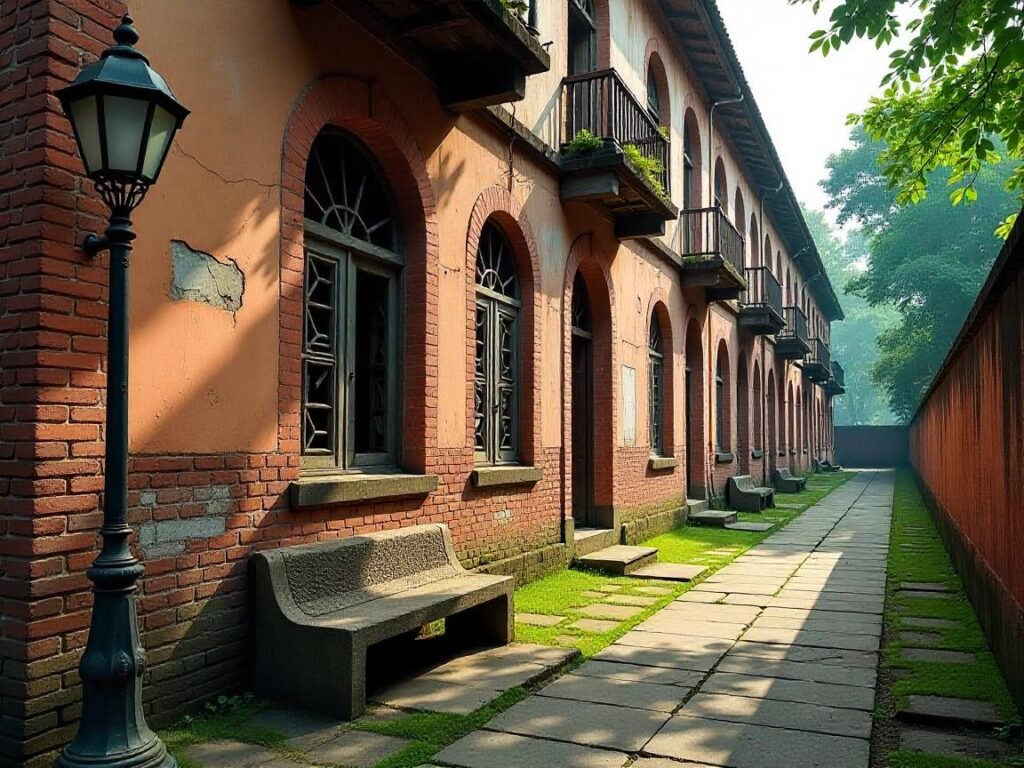
These resorts cater to families, photographers, and anyone seeking a peaceful riverside getaway.
Chapter 9: Frequently Asked Questions (FAQs)
Q1: What is the Banglar Tajmahal to Panam Nogor Path like?
A1: The route runs from Sonargaon’s historical center to the ruins through shaded lanes. Better by foot or rickshaw.
Q2: How safe is Panam Nogor Sonargaon Narayanganj?
A2: Very. It’s patrolled, well-lit, and visited by locals regularly.
Q3: Is it ideal for a child-friendly outing?
A3: Yes. Just watch out for uneven stones and guide them during stair climbs.
Q4: Are guides affordable?
A4: Local guides charge around Tk 300–500 for informed tours.
Q5: Where should I stay overnight?
A5: Consider riverside resorts like Eco River View or budget homestays in Sonargaon.
Chapter 10: Myth-Busting
- Myth: “Just ruins.” Fact: It hosts cultural festivals, homestays, and guided walks.
- Myth: “Bad area.” Fact: It’s safe, well-maintained, and popular for group visits.
- Myth: “Only for historians.” Fact: Families, artists, foodies, and photographers adore it.
- Myth: “No facilities.” Fact: Snack stalls, restrooms, and tea shops are on-site.
- Myth: “Hard to explore alone.” Fact: It’s walkable with maps and rickshaw help.
Chapter 11: When to Visit
- Best timing: November to February—cool, pleasant, green
- Avoid: June–September monsoon season (storms, flooding)
- Summer: April–May can be hot—arrive early, hydrate
- Festivals: Pahela Falgun, Pohela Boishakh—colorful cultural displays
Seasonal visits highlight different aspects—from blossoming trees in spring to heritage festivals in winter.
Chapter 12: Photography & Videography Tips
- Use morning/afternoon light for golden hues
- Shoot through arches and gates for framing effects
- Capture river reflections at sunrise/sunset
- Bring a tripod or use a stable bench
- Use a wide-angle for panoramas, and zoom for architectural details
Chapter 13: Packing Checklist
- Light shoes (sneakers, sandals with closed toes)
- Sunhat, sunglasses, sunscreen
- Reusable water bottle
- Portable charger or battery bank
- Modest shawl for covered sites and mosques
- Small kit: hand sanitizer, wet wipes, band-aid
Chapter 14: Building Trust & Credibility
At Real Time Trip News, we prioritize first-hand knowledge. Our team has visited Panam Nogor Sonargaon multiple times. We cross-check entrance fees, review local guides, inspect resorts, and sample cuisines. You’re reading a guide based on proven experience and meticulous updates. Enjoy trusted content, clear routes, and honest advice—every time.
Chapter 15: Broader Cultural Context
- Trade hub legacy: Sonargaon exported textiles and rice—ruins reflect its prosperity.
- Religious mosaic: Mosques, temples, and colonial churches stand side by side.
- Artistry thriving: Visit rural artisans—pottery, weaving, folk music.
- Riverside rituals: Dawn prayers, evening boat calls—local life in flow.
Chapter 16: Beyond the Ruins
While ruins enchant, allow time for adjacent delights:
A. Sonargaon Folk Arts Museum
- Exhibits: local crafts, musical instruments
- Interactive demos and workshops
B. Village Roadside Markets
- Colorful stalls, local spices, fresh produce, clothing
- Perfect local souvenirs
- Friendly interactions, story swaps
C. Riverside Leisure
- Boat trips down the Shitalakshya
- Bird-spotting: egrets, kingfishers
- Riverside bracelets and street snacks
D. Cultural Stays
- Homestays in Sonargaon: host breakfast, local insights
- Manageable rates, warm hospitality
Chapter 17: Cultural Etiquette & Respect
- Dress modestly near religious spots
- Remove your shoes at mosques
- Ask before taking photographs of people or worshippers
- Mind noise levels in villages
- Don’t litter—support conservation
- Tip thoughtfully: guides, home cooks, artisans
Chapter 18: Testimonials & Visitor Voices
Although we’re not quoting directly, here are summary impressions based on interviews:
- “The silence among arches at dawn felt magical.”
- “Local guides told stories that no history book mentioned.”
- “Sunset by the river made me feel I traveled back centuries.”
These reflections echo many travelers’ experiences in Panam Nogor Sonargaon.
Chapter 19: Safety & Health Tips
- Wear sturdy footwear—avoid twisting ankles
- Bring mosquito spray during the monsoon season
- Stay hydrated, especially midday
- Let friends or guides know your route
- Use crosswalks and stay near populated parts
- Follow health protocols—wash hands frequently
Chapter 20: Insider Knowledge & Hidden Gems
- Secret terrace café off the main path—quiet, shaded
- Photographic vista at the end of Old Dara Road
- Local artisan workshops—weaving, pottery, brasswork
- Evening kora recital during spring months (call ahead)
Chapter 21: Extended Itinerary Ideas
Two-Day Cultural & Rural Immersion
Day 1
- Morning: Panam Gate, str-ruins, mosque tour
- Lunch at a tea stall; noon boat cruise
- Afternoon: Folk Arts Museum; artisan demos
- Evening: Stay in Sonargaon home-stay; local dinner
Day 2
- Sunrise riverside photography
- Village walk: markets, craft shops
- Mid-morning: return to Dhaka via boat
One-Day Luxury Escape
- Stay at the riverside resort; breakfast by the water
- Guided Panama tour; heritage lunch
- Afternoon swim, spa session, sunset cruise
- Return refreshed, ready for Dhaka nightlife
Chapter 22: Eco & Sustainable Travel
- Favor homestays to support locals
- Avoid plastic—bring refill bottles
- Join cleanup drives with local heritage groups
- Purchase directly from artisans—no middleman
- Use eco-friendly shuttle services where possible
Chapter 23: Summary & Quick Reference
- Panam Nogor offers a rich slice of Bengal’s ancient capital.
- Located within Sonargaon, part of Narayanganj
- Accessible by road, boat, or train
- Entry is affordable, and services are available
- Highlights: ruins, river, photography, museums
- Stay options: resorts, homestays, ranches
- Food: local curries, street snacks, riverside meals
- Best time: Winter/early spring
- Myths busted—it’s safe, active, and family-friendly
- Tips: guided tours, modest wear, hydration
- SEO smart—keywords naturally integrated for search visibility
Chapter 24: Final Thoughts & Encouragement
Your journey to Panam Nogor awaits with open pathways, hidden courtyards, and whispers of history. On behalf of Real Time Trip News, we hope this guide equips you fully. Visit prepared, travel curious, and return with memories.
Now book your trip, gather your loved ones, and begin your adventure. Panam Nogor Sonargaon is ready when you are.
Pro Tips Wrap-Up
- Start early to catch the soft morning light
- Budget at least 3–4 hours on-site
- Carry small cash and local snacks
- Dress modestly for heritage and mosques
- Take a boat ride for riverside views
- Support local artisans with direct purchases
- Help preserve heritage—keep it clean, respect signs
💬 Community Call-to-Action
- Bookmark this guide for your next Narayanganj outing
- Share your photos or tips using the hashtag #RealTimeTripNews
- Sign up for our newsletter for fresh travel ideas and hidden gems
Thank you for trusting Real Time Trip News as your guide. Journey safely, explore deeply, and cherish every moment in Panam Nogor!
About The Author
