
Secure Crypto Wallet | Armored Defense for Your Crypto
In today’s electrified world of cryptocurrency, where digital assets move at the speed of light and decentralized finance (DeFi) innovations emerge daily, one question dominates the minds of both new and seasoned investors: How do I keep my crypto safe? This is where the concept of the Secure Crypto Wallet becomes critical.
Whether you’re championing your digital coins as a part of Global Crypto Sports news followers or just venturing into the crypto realm, understanding how to choose and use a secure crypto wallet is more relevant than ever. With headlines about hacks, phishing scams, and lost seed phrases showing up more often, safeguarding your crypto isn’t just smart—it’s essential.
1. Key Crypto Terms at a Glance
Before we march forward, let’s make sure we’re all on the same page with the essential terminology that frames our discussion.
- Blockchain: A decentralized digital ledger that records transactions across many computers. It’s tamper‑resistant—once a transaction is confirmed, it’s nearly impossible to alter.
- DeFi (Decentralized Finance): A financial system built on public blockchains, like Ethereum, that removes intermediaries (banks, brokers) and allows peer‑to‑peer finance through smart contracts.
- Web3: The next generation of the internet, enabling decentralized apps (dApps), tokenized assets, and peer‑owned architecture—of which crypto wallets are a foundational component.
- Seed Phrase (or Recovery Phrase): A sequence of usually 12–24 words that backs up your wallet. If you lose your wallet or device, the seed phrase restores access.
- Cold Wallet: An entirely offline wallet. Often hardware wallets, paper wallets, or air‑gapped devices. Known for maximum security.
- Hot Wallet: A wallet connected to the internet—web, desktop, or mobile wallets. More convenient, but slightly less secure.
- Hardware Wallet: A physical device that signs transactions offline and stores your private keys securely. A popular example of a cold wallet.
- Mobile Wallet: A hot wallet in the form of a mobile app. Great for day‑to‑day use—trading, DeFi access, NFTs.
- Decentralized Wallet (Self‑Custody Wallet): A wallet where you hold your private keys; no central authority can seize or freeze your funds.
- Wallet Backup: Methods—like securing a seed phrase, encrypted files, or multisig vaults—that let you recover your wallet if your device is lost.
2. What Is a Secure Crypto Wallet?
Definition
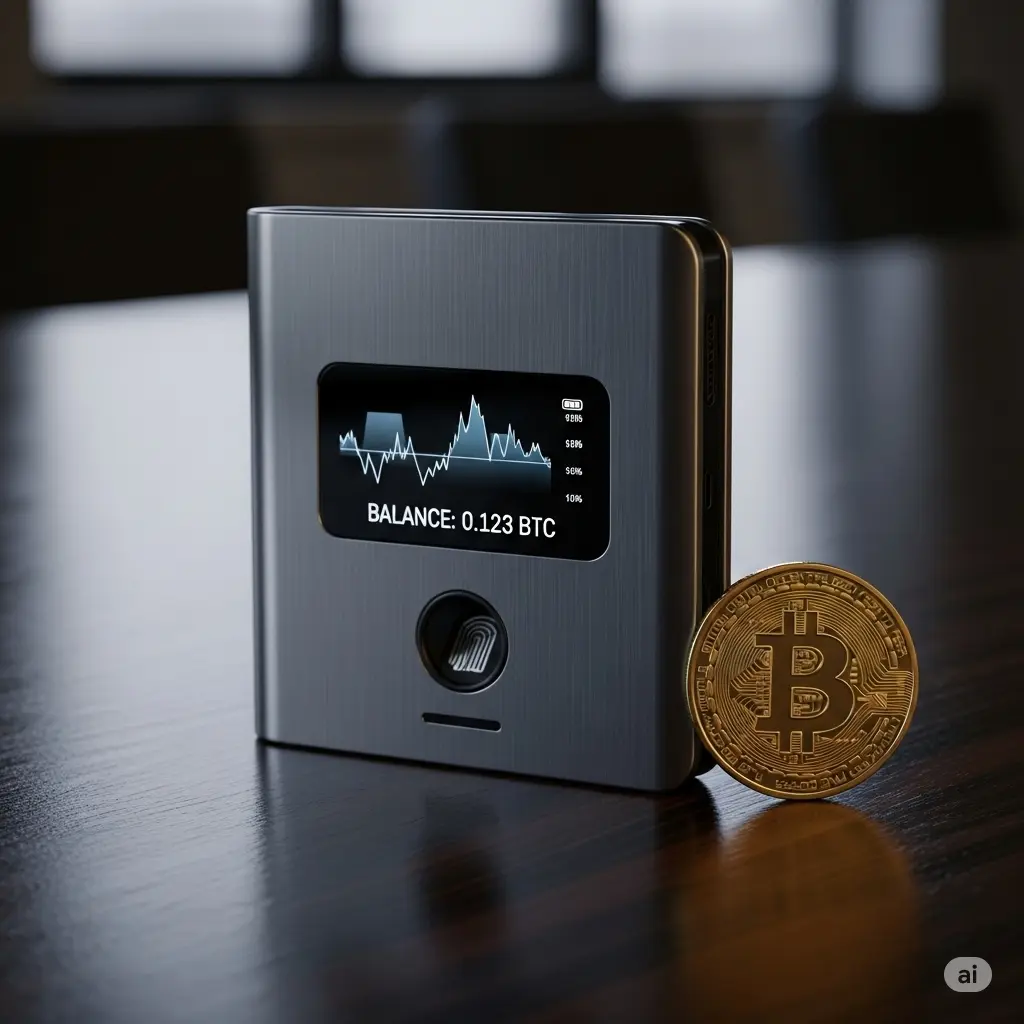
A secure crypto wallet is any wallet solution—hardware, mobile, desktop, or web-based—designed to protect your digital assets from theft, unauthorized access, and loss.
Why It Matters Right Now
- Crypto Adoption Surge: In 2025, crypto ownership has expanded globally—more people are buying and HODLing tokens; secure storage is vital.
- Rising DeFi & Web3 Use: Users interact with smart contracts and dApps daily. A compromised wallet can mean instant loss.
- Security Threats: Malware, phishing, hack scams, SIM‑swap attacks—all are real dangers. A secure wallet is your first line of defense.
- Regulatory Landscape: Some regulatory shifts push custodial services. Choosing a decentralized wallet ensures control remains with you, not centralized entities.
3. Types of Crypto Wallets: Breakdown
Cold Wallets vs Hot Wallets
Cold Wallet (e.g. Hardware Wallet)
- Pros:
- Best crypto wallet 2025? Many experts say hardware wallets still top the list for long‑term storage.
- Offline storage keeps private keys away from internet threats.
- Supports seed phrase backup so you can restore even if the device is lost.
- Cons:
- Higher upfront cost.
- Less convenient for quick trading or checking balances.
- Risk if the seed phrase is lost or stored insecurely.
Hot Wallet (e.g. Mobile Wallet, Web Wallet, Desktop Wallet)
- Pros:
- Highly accessible—ideal for Global Crypto Sports watchers who want real-time transaction tracking.
- Often free or very low cost.
- Fast interaction with DeFi, staking, NFTs, etc.
- Cons:
- Connected to the internet—higher vulnerability to phishing, malware, and keyloggers.
- Reliance on device security (phone or computer).
- Users must stay vigilant about updates and anti‑virus protection.
Specialized Wallet Types
Mobile Wallet
These are apps (like Trust Wallet, MetaMask Mobile) that store keys on your smartphone. Most intuitive, but protect with strong PINs, fingerprints, and avoid downloading from unofficial sources.
Hardware Wallet
Popular models like Ledger, Trezor, or SafePal are physical devices that confirm transactions offline. Often considered the best crypto wallet 2025 for large holdings.
Paper Wallet
A printed document containing your public and private keys. Cold by nature but risky—prone to damage, loss, theft. Must be stored carefully (laminated, fireproof safe, etc.).
Decentralized / Self‑Custody Wallet
No gatekeepers—only you control your keys. Wallets like MetaMask, Exodus (self‑custody mode), or open‑source options emphasize user control over security.
4. Real‑World Examples & Case Studies
Case Study 1: The Hardware Wallet That Saved Thousands
In 2023, a high‑net‑worth crypto holder lost their stolen laptop—but recovered their entire crypto portfolio because they’d stored the majority on a hardware wallet. The hardware wallet with seed phrase backup proved the difference between total loss vs asset retrieval.
Case Study 2: Phishing Disaster on a Hot Wallet
In early 2025, a user clicked a link on a spoofed Global Crypto Sports news alert, thinking it was a trading opportunity. Their mobile wallet got drained. Lesson: Even reputable‑looking sources can hide phishing links. The best defense is wallet backup, offline signature, and careful URL verification.
Case Study 3: Paper Wallet Perils
An investor used a paper wallet to hold long-term crypto savings. But when a household flood occurred, the paper got ruined. No backup, irreversible loss. Moral: cold storage is wise—but must include redundancy.
5. Pros & Cons, Benefits & Risks of Secure Crypto Wallets
Pros / Benefits
- Complete control over funds—no third party can freeze your wallet.
- Protection from centralized failures or hacks (e.g., exchange breaches).
- Varieties match different needs: hardware for holding, mobile for everyday use.
- Seed phrase backup allows recovery—far more robust than trusting custodial platforms.
Cons / Risks
- User responsibility: lose your seed phrase, lose your coins—no help desk can restore.
- Initial cost: Hardware wallets cost $50–$200.
- Complexity for beginners: seed phrase, backup methods, and firmware updates can be overwhelming initially.
- Hot wallet exposure: while convenient, they can be compromised via malware, phishing, and SIM attacks.

6. Actionable Advice for Beginners & Intermediate Crypto Investors
H2: Best Practices for Secure Crypto Wallet Usage
1. Choose the Right Wallet for Your Needs
- Long‑term holding / significant funds: Use a hardware wallet (cold wallet).
- Frequent trading / DeFi access: Use a mobile or desktop wallet (hot wallet), but only keep smaller amounts there.
2. Establish Safe Backup Protocols
- Write down the seed phrase on high‑quality, acid‑free paper.
- Store copies in secure, separate physical locations (safes, bank deposit boxes).
- Consider using metal seed phrase backup tools for fire and water resistance.
3. Use Strong Authentication & Encryption
- For digital wallets, use strong PINs, biometric locks, and 2FA where possible.
- Encrypt backups of wallet files (e.g., encrypted JSON wallet) with a strong passphrase.
4. Verify Before You Sign or Click
- Double-check URLs—avoid clicking links in emails or social media.
- Always verify recipient addresses manually, especially for large withdrawals.
- Update device OS and wallet firmware—security patches matter.
5. Spread Your Risk
- Store the majority of funds in cold wallet.
- Keep a small hot wallet “working wallet” for daily usage.
- Diversify across wallet types if desired.
6. Monthly or Quarterly “Security Audits”
- Check backups, ensure seed phrases are still legible.
- Confirm wallet firmware is up‑to‑date.
- Test restoration flow occasionally (e.g., create a test recovery on an alternate device).
7. Educate Yourself
- Subscribe to Global Crypto Sports for trusted updates—stay wary of flash scams and phishing trends.
- Join reputable crypto forums, communities for peer support.
8. Consider Multi‑Sig or Safe‑Guard Vaults (for large assets)
- Multi‑signature wallets require multiple keys to transact—excellent for families or shared holdings.
- Vaults like Gnosis Safe add extra layers of protection.
7. Frequently Asked Questions (FAQ)
Q1: What makes a crypto wallet “secure”?
A secure crypto wallet protects your private keys through encryption, offline storage, or multi‑signature controls. It affords resilience against hacking, malware, and device loss—and allows recovery via seed phrase.
Q2: Should I use a cold wallet or a hot wallet?
It depends on your needs. Use a cold wallet (e.g., hardware wallet) for long‑term storage of large sums. A hot wallet (mobile or web) is better for frequent transactions—but keep only what you need accessible.
Q3: How do I back up my wallet safely?
Write your seed phrase on quality, durable material. Store copies in separate, secure physical locations (fireproof safe, bank vault). Consider metal backups. Encrypt any digital wallet files.
Q4: Can I recover my crypto if I lose the hardware wallet?
Yes—if you have your seed phrase or backup. A hardware wallet’s sole purpose is transaction signing; the real access resides in the seed phrase.
Q5: What’s the risk of using a mobile wallet?
Mobile wallets are exposed to internet threats—malware, phishing, and SIM swap attacks. Always download from official sources, use PINs/biometrics, and avoid linking with insecure email accounts or untrusted websites.
Q6: Is a decentralized wallet better than a custodial one?
A decentralized/self‑custody wallet gives you full control—no one else can freeze or access your funds. But that also means total responsibility. A custodial wallet (like an exchange) offers convenience, but you risk losing access if the platform fails or is hacked.
Q7: What should I look for in the best crypto wallet of 2025?
- Strong track record and reputation.
- Easy seed‑phrase backup and recovery.
- Secure signing (offline if hardware).
- Open‑source code or audited firmware.
- Regular software updates.
- Extensive coin/token support.
- Good customer support and educational resources (such as Global Crypto Sports coverage).
8. Strong Conclusion & Call‑to‑Action
In the high‑stakes arena of crypto, security isn’t optional—it’s fundamental. Whether you’re storing Bitcoin for your kids’ future, earning yield in DeFi vaults, or trading altcoins while following Global Crypto Sports events—your crypto wallet is your stronghold.
Remember: the strongest wallet in the world can’t keep your assets safe if your seed phrase falls into the wrong hands—or if you don’t have one at all. Armored defense starts with:
- choosing the right wallet,
- backing it up,
- splitting hot vs cold storage,
- staying vigilant about phishing, and
- learning as you go.
Invest wisely, store smartly, stay informed. If you found this guide valuable, be sure to share it with friends, bookmark it for future reference, and stay tuned to Global Crypto Sports for ongoing crypto security updates.
About The Author
