
Massive Iran News: Israel Conflict Sparks Fear
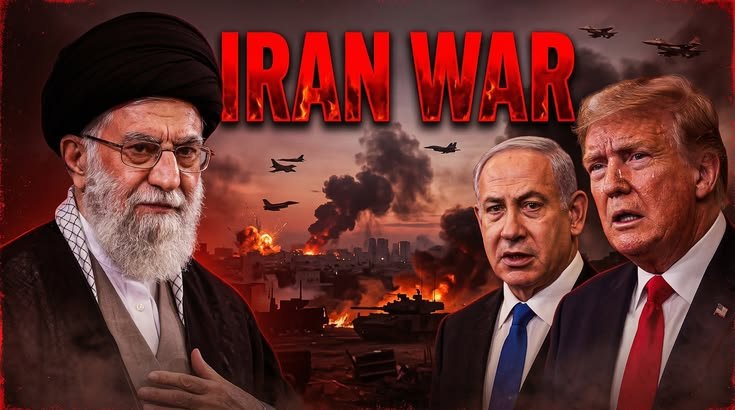
The Middle East is facing a surge in tension as conflicts involving Israel and Iran continue to escalate. Therefore, following Iran News is essential for understanding the fast-changing dynamics and their global implications. The ongoing confrontations are creating widespread fear, with potential consequences for civilians, regional stability, and international relations.
Moreover, the situation involves complex military, political, and economic factors. Because of this, analyzing recent events step by step helps provide clarity.
Historical Context of the Israel-Iran Conflict
Longstanding Tensions
The Israel-Iran conflict has deep historical roots, stemming from political, religious, and ideological differences. Therefore, understanding the past helps explain current fears and strategies. Iran opposes Israel’s regional policies, while Israel perceives Iran as a growing threat due to its military capabilities and alliances.
Proxy Conflicts in the Region
Confrontations have been limited, but both countries engage in proxy conflicts. Consequently, groups in Syria, Lebanon, and Gaza often serve as extensions of this struggle. Iran News frequently highlights how these indirect battles escalate tensions without a formal war.
Past Incidents
Over the years, clashes, drone attacks, and cyber operations have contributed to mistrust. Therefore, historical incidents continue to influence the current strategies of both nations and their allies.
Recent Escalation: Why Fear Is Growing
Military Operations and Threats
Recent weeks have seen increased airstrikes, drone activities, and troop mobilizations. Therefore, the risk of confrontation is higher than before. Iran News reports that these movements have created widespread fear among civilians and international observers.
Cyber Warfare
Both Israel and Iran are engaging in cyber operations targeting critical infrastructure. Consequently, attacks could occur rapidly and without warning, increasing the sense of urgency and potential danger.
Rhetoric and Political Messaging
Public statements from both nations have intensified fear. Iran emphasizes resistance against Israel, while Israel warns of swift retaliation to any threat. Therefore, aggressive messaging contributes to heightened anxiety.
Iran’s Role in Escalation
Strategic Position
Iran’s geographic and political influence make it a central player in the Middle East. Therefore, its actions affect multiple countries, regional alliances, and global powers. Iran News highlights that Iran uses its strategic position to project power and protect its interests.
Military Capabilities
Iran has advanced missile systems, drones, and surveillance technology. Consequently, its military posture increases tension, as neighboring countries perceive these capabilities as a potential threat.
Nuclear Concerns
Iran’s nuclear program remains a key factor in regional fear. Therefore, international scrutiny and negotiations continue to focus on preventing nuclear escalation. Iran News emphasizes that any nuclear developments can significantly impact conflict dynamics.
Israel’s Strategic Response
Defensive Measures
Israel has deployed advanced defense systems such as Iron Dome and missile interceptors. Therefore, it aims to protect its civilians and infrastructure while maintaining readiness for potential escalation.
Regional Alliances
Israel is strengthening ties with other regional powers, including the UAE and Saudi Arabia. Consequently, these alliances provide strategic support and deterrence against Iran’s influence.
Intelligence Operations
Israel’s intelligence network monitors Iranian activity closely. Therefore, preemptive actions and information gathering are central to maintaining security and preparing for potential attacks.
Global Implications
Impact on Energy Markets
The Middle East supplies a significant portion of the world’s oil and gas. Therefore, any conflict involving Iran or Israel affects global energy prices and supply chains.
International Security Concerns
Rising tensions influence global security policies. Consequently, countries outside the region monitor developments closely and adjust their military and diplomatic strategies.
Trade and Economic Effects
Shipping lanes in the Persian Gulf are vital for international trade. Therefore, conflict could disrupt global commerce, affecting economies far beyond the Middle East. Iran News highlights these economic concerns frequently.
Humanitarian Impact
Civilians at Risk
Fear of conflict has a direct impact on civilian populations. Therefore, displacement, stress, and insecurity are rising in affected regions.
Access to Essentials
Conflict threatens food, medicine, and other necessities. Consequently, humanitarian organizations may face challenges providing aid, leaving populations vulnerable.
Social Stability
Ongoing fear and uncertainty disrupt daily life. Therefore, local communities struggle to maintain normalcy, and social cohesion may weaken under prolonged tension.
Media Coverage and Public Awareness

Rapid Spread of Information
News about Ithe srael-Iran conflict spreads quickly via social media, news outlets, and official channels. Therefore, accurate reporting is essential to prevent panic and misinformation. Daily Iran News provides timely updates and verified information.
Influence on Public Opinion
Media coverage shapes public perception, affecting both domestic and international policy. Consequently, governments and analysts monitor information carefully to manage reactions.
Potential Scenarios Moving Forward
Scenario One: Limited Skirmishes
Small-scale clashes may continue without escalating into full-scale war. Therefore, regional actors can test boundaries while avoiding widespread destruction.
Scenario Two: Regional Spillover
Conflict may expand to involve neighboring countries. Consequently, tensions could destabilize Iraq, Syria, and Lebanon, creating a wider crisis.
Scenario Three: Full-Scale War
The worst-case scenario is direct conflict between Israel and Iran. Therefore, missile strikes, air attacks, and cyber warfare could result in significant casualties and damage. Iran News warns that this scenario could draw in international powers, further complicating resolution efforts.
Diplomatic Efforts
Negotiations and Dialogue
Despite escalating fears, diplomatic channels remain open. Therefore, ongoing negotiations focus on preventing military escalation and addressing security concerns.
International Mediation
Organizations like the United Nations provide a platform for dialogue and humanitarian oversight. Consequently, international mediation is key to preventing conflict and facilitating peace.
Lessons from History
Past crises show that miscommunication and mistrust can quickly escalate conflicts. Therefore, measured responses and patient diplomacy are essential to avoid unnecessary war. Iran News frequently references historical patterns to provide context.
Importance of Staying Informed
Understanding Complex Dynamics
Following Iran News helps people understand political, military, and economic developments clearly. Therefore, readers gain insight into the broader context and implications of the conflict.
Reducing Panic and Misinformation
Accurate reporting reduces fear and prevents the spread of false information. Consequently, informed citizens and policymakers can make better decisions, promoting stability in the region and beyond.
Conclusion
The Israel-Iran conflict is sparking fear across the Middle East and globally. Therefore, close monitoring, diplomacy, and strategic planning are essential. Iran News shows that while tensions are high, there are still opportunities to prevent full-scale war.
Moreover, civilians, regional actors, and international powers all influence potential outcomes. Consequently, staying informed, supporting dialogue, and understanding the broader context are critical. In conclusion, the Middle East faces a pivotal moment, and careful attention in the coming months will determine whether stability or conflict prevails.
About The Author
