
Effortless Secure Crypto Wallet That Keeps Hackers Far Away
In today’s fast‑moving crypto world, security risks seem everywhere. A secure crypto wallet can protect your assets effortlessly. Cyber‑attacks hit headlines nearly daily. As more people invest in cryptocurrencies, we need strong protection for digital funds. Smart wallets help keep hackers far away. This post explains the complete information about a secure crypto wallet. It offers helpful definitions, expert tips, and real‑world examples.
Whether you read Global Crypto Sports, follow crypto trends, or just search best crypto wallet 2025, this guide delivers. You will learn how different wallets work. You will understand the risks of hot vs cold wallets, and the benefits of hardware wallets, mobile wallets, and decentralized wallets. Let’s jump in.
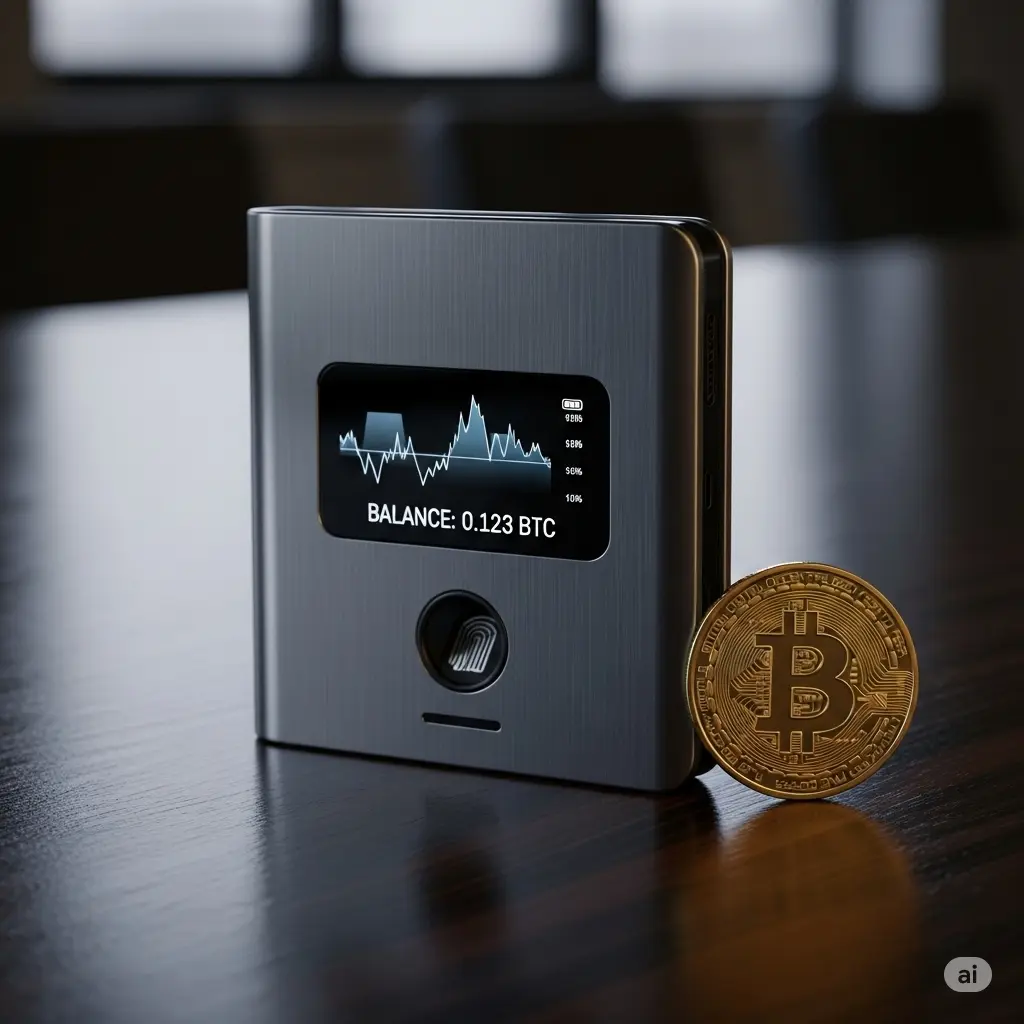
What Makes a Secure Crypto Wallet?
A secure crypto wallet offers both strong protection and ease of use. Here’s what to expect:
- User-friendly interface so non‑experts can manage crypto safely.
- Strong encryption and hardware protection guard your keys.
- Backup and recovery features to restore your wallet if lost.
- Multi‑platform access such as desktop, mobile, and offline capability.
- Compatibility with DeFi and Web3 apps, aligns with modern crypto trends.
- Transparent privacy and security practices.
Why Secure Crypto Wallet Matters Right Now
- Crypto volumes are higher than ever. Attackers target large markets.
- News of wallet hacks spreads fast on Global Crypto Sports, drawing attention.
- Revenue from DeFi and Web3 is growing rapidly. These fields need safe access.
- Rising scams and phishing threats put hot wallet users at risk.
- Hardware wallet prices are falling in best crypto wallet 2025 searches, making them accessible.
- People demand easy yet secure solutions. A secure crypto wallet meets that need.
Understanding Key Terms
Before diving into wallet security, let’s clearly define key terms. These will help you follow along easily.
Blockchain
A blockchain is a decentralized ledger that records transactions transparently.
DeFi (Decentralized Finance)
DeFi enables financial services without banks. It runs on blockchain networks.
Web3
Web3 refers to the new internet built on blockchain. It emphasizes decentralization and ownership.
Crypto Wallet
A crypto wallet stores digital keys that let you access cryptocurrency. It does not store coins physically.
Cold Wallet vs Hot Wallet
- Cold wallet: keeps keys offline for best security.
- Hot wallet: connects online, enabling convenience but higher risk.
Hardware Wallet
A hardware wallet is a physical device that stores crypto keys offline.
Mobile Wallet
A mobile wallet runs as an app on your phone for quick access.
Decentralized Wallet
A decentralized wallet gives you full control of your keys and funds. No central service controls it.
Wallet Backup
Wallet backup saves your recovery phrase or keys safely, enabling restoration if needed.
Types of Crypto Wallets: Pros, Cons, and Role in Security
Hot Wallets
Definition: Connected to the internet via apps, desktop, or web.
Benefits:
- Fast access to funds.
- Convenient for regular trading or transfers.
- Compatible with DeFi platforms and Web3 services.
Drawbacks:
- Vulnerable to phishing or hacking.
- Device security risk.
- Must trust third-party platforms.
Cold Wallets
Definition: Kept offline, such as on paper or hardware.
Benefits:
- Almost impossible for online hackers to breach.
- Ideal for long‑term storage.
Drawbacks:
- Less convenient for frequent trading.
- Risk of physical loss or damage.
- Requires a safe backup of the recovery phrase.
Hardware Wallets
Hardware wallets are a form of cold wallet in a USB‑like device.
Benefits:
- Secure private key storage in a hardware chip.
- Requires physical access and action to confirm transactions.
- Works offline until connected for signing.
Drawbacks:
- Costs money.
- Requires shipping or buying from a reliable source.
- It could fail if the device malfunctions.
Mobile Wallets
Apps on smartphones for day‑to‑day use.
Benefits:
- Convenient and portable.
- Often user‑friendly and intuitive.
- Some support biometric access.
Drawbacks:
- Smartphones are vulnerable to malware or loss.
- Could expose keys to unsafe apps.
- Backup is often overlooked.
Decentralized Wallets (Self‑custody)
You control keys; there’s no third‑party custody.
Benefits:
- Full control of assets.
- Better privacy and censorship resistance.
- Compatible with DeFi and Web3 services.
Drawbacks:
- You are solely responsible for security and backup.
- Mistakes cannot be undone.

Real-World Examples & Case Studies
Case Study 1: Hardware Wallet Saves the Day
Alice stored her crypto assets in a hardware wallet. A computer virus hit her PC. Hackers tried to steal funds using her mobile wallet. But the hardware wallet kept keys offline. Alice avoided disaster when hackers failed to access the funds.
Case Study 2: Mobile Wallet Phishing Attack
Bob used a popular mobile wallet for trading. He clicked a fake link and entered his seed phrase. All his funds disappeared. This teaches us that crypto wallet security depends on cautious behavior and avoiding phishing traps.
Case Study 3: Decentralized Wallet Rescue
Carla lost her hardware wallet. Fortunately, she had a secure wallet backup of her recovery phrase stored offline. She restored her funds by importing that phrase into a new device. She learned why wallet backup is essential.
Building a Secure Crypto Wallet: Step-by-Step Advice
1. Choose the Right Wallet Type
- For long-term holding, prefer a cold wallet or hardware wallet.
- For regular access to DeFi or Web3, combine a hot wallet for small amounts with a cold wallet for the rest.
2. Purchase from Trusted Sources
Always buy hardware wallet devices directly from official websites to avoid tampering.
3. Set Up and Secure Your Wallet
- Create a strong PIN or passphrase.
- Write down the recovery phrase on sturdy paper.
- Store it in a secure, offline place (e.g., safe, bank deposit box).
4. Use Multi‑Factor Authentication (MFA)
Enable MFA on wallets that support it. It increases defense, especially for hot wallets.
5. Backup Regularly
Update backups if you generate a new recovery phrase. Keep multiple copies in separate locations.
6. Avoid Phishing and Malware
- Do not click links in unsolicited emails or messages.
- Use official links or apps only.
- Keep devices updated and use reputable antivirus software.
7. Manage Your Funds Safely
- Don’t store large amounts in hot wallets.
- Confirm transaction details before signing.
- Keep firmware and wallet software updated.
8. Use Decentralized or Non‑custodial Wallets
They grant more autonomy and limit risk from third-party platform failure.
9. Educate Yourself
Join trusted news sources like Global Crypto Sports to follow wallet security updates. Stay informed on the best crypto wallet 2025 trends.
Pros and Cons at a Glance
| Wallet Type | Pros | Cons |
|---|---|---|
| Hot Wallet | Fast access, DeFi/Web3 compatible | Strong security requires physical action |
| Cold Wallet | Very secure, offline | Less convenient, physical risk |
| Hardware Wallet | Cost, learning curve, and hardware failure risk | Vulnerable to hacks, backup is often neglected |
| Mobile Wallet | Portable, user-friendly | User bears all responsibility, mistakes are irreversible |
| Decentralized Wallet | Full control, privacy | User bears all responsibility; mistakes are irreversible |
Actionable Advice: Beginners vs Intermediate Investors
For Beginners
- Start with a secure hardware wallet, such as Ledger or Trezor.
- Use a small hot wallet for daily or beginner trades.
- Practice safe wallet backup immediately.
- Avoid risky links or untrusted platforms.
For Intermediate Investors
- Split crypto between a hardware wallet and a hot wallet for DeFi trading.
- Use decentralized wallet solutions like MetaMask or Trust Wallet.
- Regularly audit wallet security and firmware.
- Keep up with crypto news at Global Crypto Sports for wallet hacks or updates.
Frequently Asked Questions (FAQ)
1. What is the most secure crypto wallet?
A hardware wallet is widely considered the most secure. It stores keys offline and requires physical confirmation.
2. What’s the difference between a cold wallet and a hot wallet?
A cold wallet stays offline for maximum security. A hot wallet connects to the internet for convenience, but is riskier.
3. Can I store my wallet backup safely?
Yes. Write your recovery phrase on paper or metal and store it securely, such as in a safe or deposit box. Do not store it online.
4. Are mobile wallets safe?
Mobile wallets are easy to use but can be vulnerable. You must secure your phone and avoid suspicious apps or links.
5. What’s a decentralized wallet?
It’s a non‑custodial wallet. You control the private keys. No one else has access.
6. Can hackers still get into a hardware wallet?
They can only steal funds if they physically access the device and PIN. If you protect both, the risk is minimal.
7. How do I choose the best crypto wallet 2025?
Look for wallets with strong security, user‑friendly design, backup ease, and DeFi/Web3 compatibility. Compare reviews and updates.
Conclusion
Creating a secure crypto wallet is vital in 2025’s growing crypto world. It ensures your investments remain protected. You now understand key terms like cold wallet, hot wallet, hardware wallet, mobile wallet, and decentralized wallet. You’ve seen benefits, pitfalls, and simple steps to set up professionally.
Do not wait until a hack happens. Act now:
- Choose a hardware or cold wallet for your main holdings.
- Use a hot or mobile wallet wisely for day‑to‑day trading.
- Back up your wallet properly.
- Stay smart, informed, and cautious in your crypto journey.
Share this post on Global Crypto Sports and help others invest wisely. Bookmark it for reference as the secure crypto wallet guide in 2025 and beyond. Stay updated, invest wisely, and keep hackers far away.
About The Author
